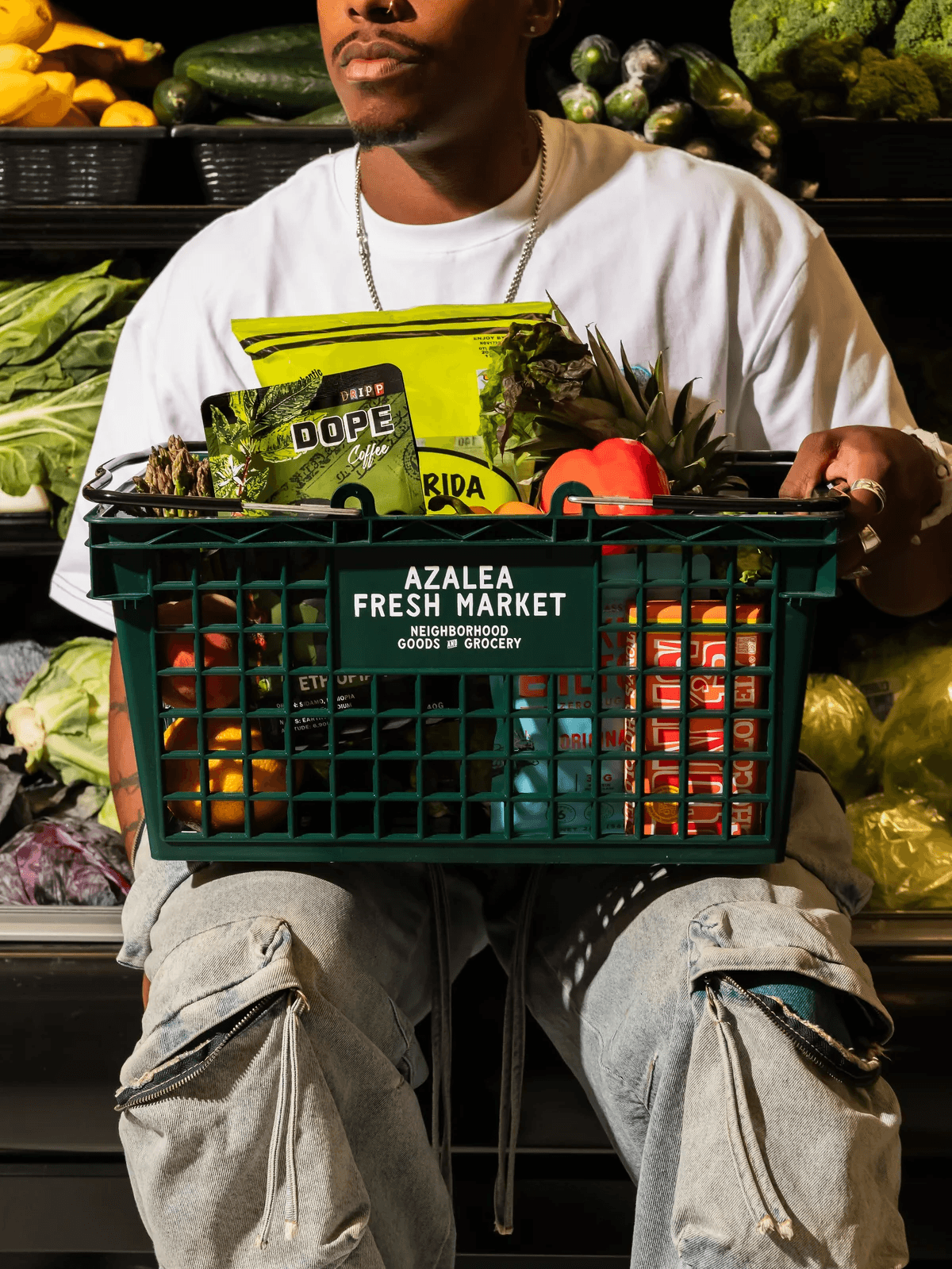
Atlanta Mayor's Office × Savi Provisions × SCAD
Reimagining The
Grocery Experience
Design Role
UX Lead
Team
Atlanta Mayor's Office Savi Provisions & IGA
Duration
Fall Quarter 10 Weeks
Tools
Figma · FigJam Slack · Miro
Overview
From Food Desert to Community Anchor
In the heart of downtown Atlanta, a historic Walgreens building stood as a relic of the past. Our multidisciplinary SCAD team — spanning UX, Industrial Design, Interior Design, and Advertising — was approached by the Atlanta Mayor's Office and Savi Provisions to transform it into a modern grocery store that would address a significant food desert impacting students, residents, and professionals in downtown Atlanta. I contributed as a UX Lead, focused on the digital experience: the companion mobile app, accessibility research, and the integrated service design.
The store was designed not just as a place to buy groceries, but as a community hub — a space where people could connect, learn, and access fresh food options while strengthening neighborhood ties. Crucially, this project moved beyond a student exercise: the store was built and is now open, operating as Azalea's Market on Campbellton Road in Atlanta, backed by over $8M in city funding.
The following points detail my specific contributions to this vision:
UX Research & Community Listening
I led community interviews with Downtown Atlanta residents, Georgia State students, and local workers — translating lived experiences into accessibility-first design decisions for the app and in-store kiosks.
Companion App Design
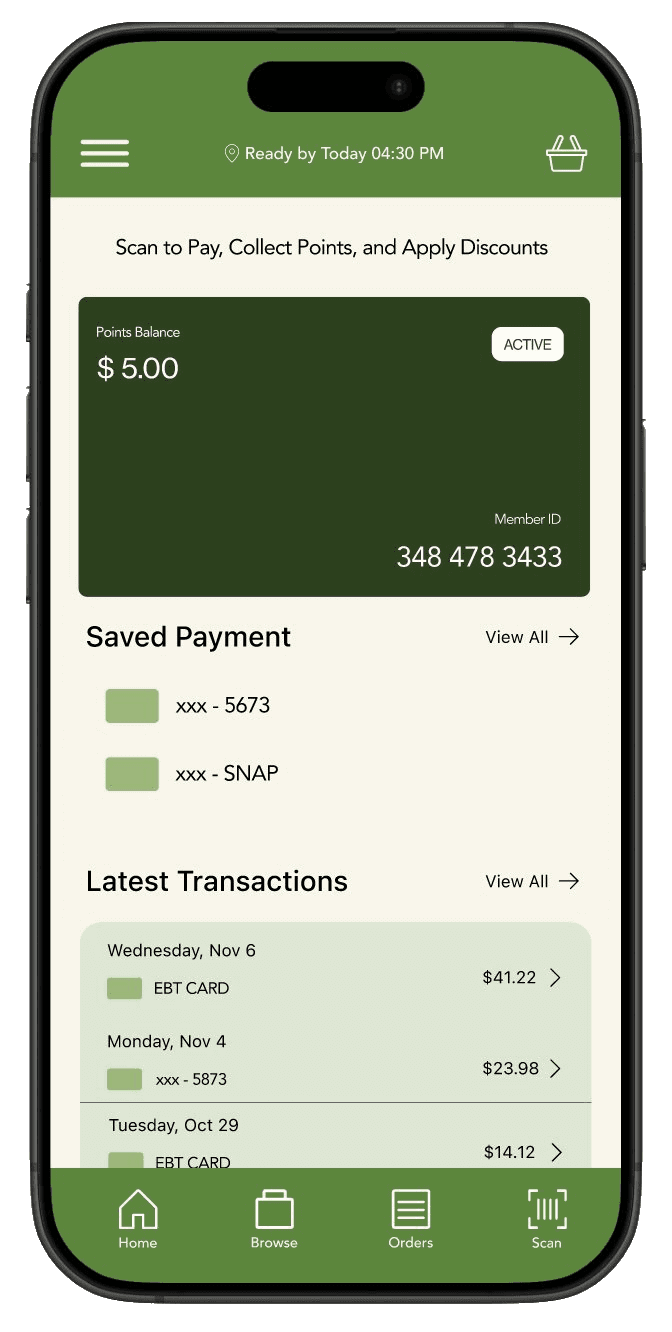
I designed the full mobile companion app end-to-end, covering personalized promotions, order ahead, curated recipes, a loyalty program, digital wallet integration, and culinary class booking.
Accessibility & Service Design
I contributed to the service blueprint, mapping digital and physical touchpoints across the full grocery journey — from awareness through post-service retention — with a focus on voice navigation, high-contrast UI, and inclusive checkout flows.
Cross-Disciplinary Collaboration
I worked alongside Industrial Design, Interior Design, and Advertising teams at SCAD — coordinating UX decisions with physical store layout, wayfinding signage, and brand identity to ensure a cohesive end-to-end experience.

Community Voice
"A convenience store in the epicenter of my campus closing is very inconvenient."
Georgia State Junior, Logan Smith
Community Voice
"There should be something there for me to purchase necessities, or even snacks."
Georgia State Junior, Logan Smith
Research & Discovery
Listening Before Designing
On-the-Ground Insights
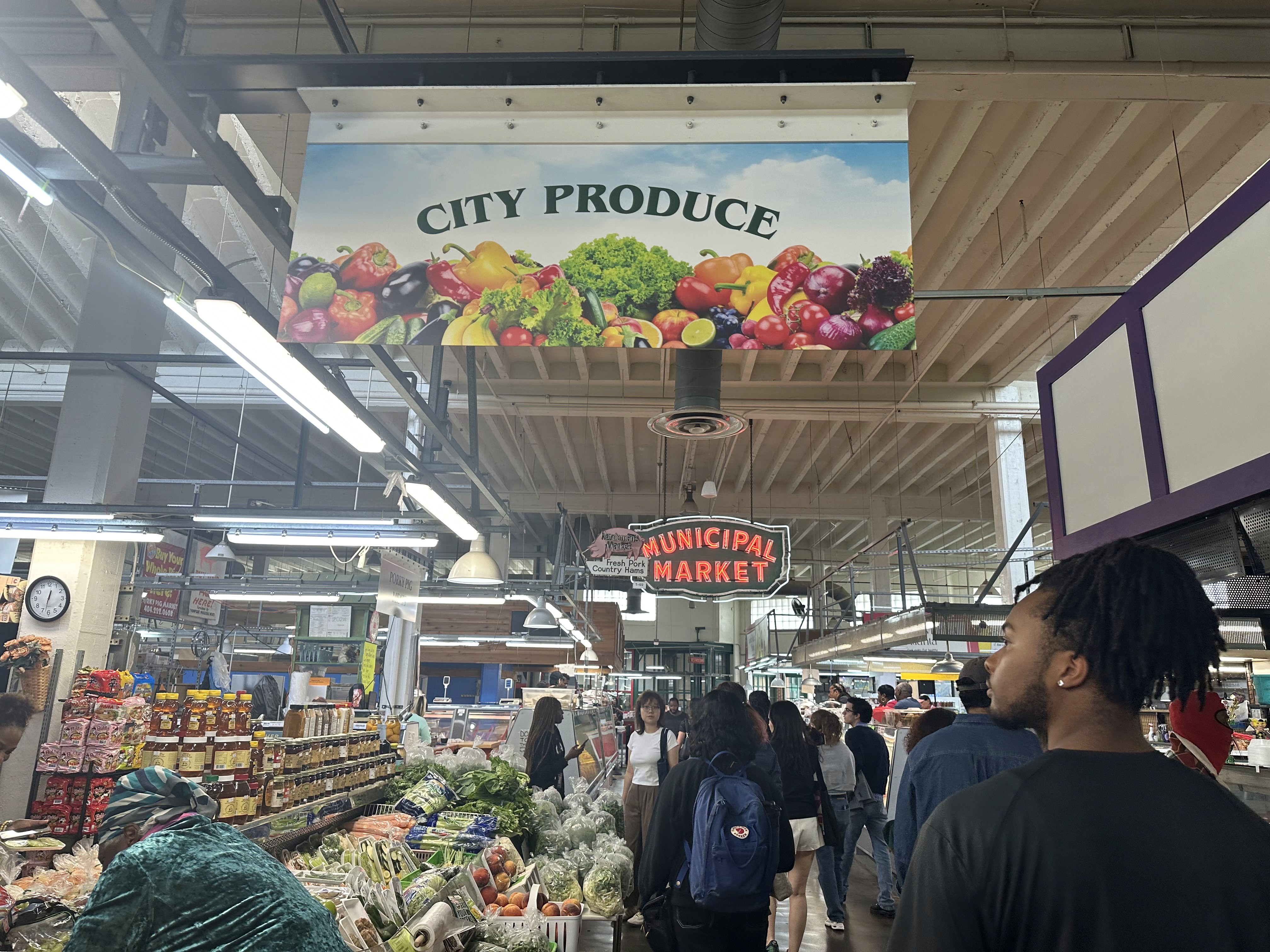
Our research started with fieldwork. We conducted on-site visits to the historic Walgreens building and observed how customers moved through stores like Whole Foods and Ponce City Market — noting friction points, delight moments, and the dynamics of self-checkout and POS interactions.
We also visited Sweet Auburn Market, Trader Joe's, and Ponce City Market to understand culturally resonant product selection, dynamic signage, and intimate vendor-customer interactions. Sweet Auburn in particular shaped our thinking around compact, community-first layouts.


Competitor & Inspiration Visits — Sweet Auburn, Trader Joe's, Ponce City Market


Giving Voice to the Community
We conducted community interviews with Downtown Atlanta residents, Georgia State students, and local workers. Their feedback emphasized voice navigation, high-contrast displays, and accessible checkout — findings that directly shaped our kiosk and app design.
We used these insights to build out personas representing four primary user types: Students, Locals, Residents, and Tourists — anchored by a stakeholder map spanning community members, supply chain, operations, and digital infrastructure.
Students
Georgia State & nearby campuses
Locals
Downtown workers & daily commuters
Residents
Neighborhood families & seniors
Tourists
Visitors to downtown Atlanta
Expert Insight
We interviewed Melody Wu, a design professional from Erewhon, who shared critical knowledge about rolling out self-checkout systems at scale — balancing brand identity with theft reduction, staff coverage, and network reliability.
Key Takeaways
AI-powered kiosks work best when optimized for efficiency, not exploration
Smooth digital sign-ins and tap-to-pay reduce friction significantly
Visual modeling (3D ingredients, interactive displays) reinforces branding
Theft, staff coverage, and network reliability are core design constraints
Design
Physical, Digital, and Everything Between
Service Blueprint
Working collaboratively across SCAD disciplines, we built a comprehensive service blueprint that mapped the entire grocery journey — from preparation and in-store navigation to purchase and post-service retention. It aligned digital and physical touchpoints with clearly defined service roles and back-end processes.

Industrial Design
The industrial design team built physical prototypes for the store — custom shelving, produce displays, shopping carts, and recycling stands. These were designed from the ground up around accessibility and brand identity: wide aisles, lightweight cart frames with swivel wheels, and eco-friendly signage materials.



Signage
Dynamic visuals and inviting designs guide shoppers effortlessly through the store.
Functionality
Flexible shelving and user-centered details make shopping intuitive and enjoyable.
Branding
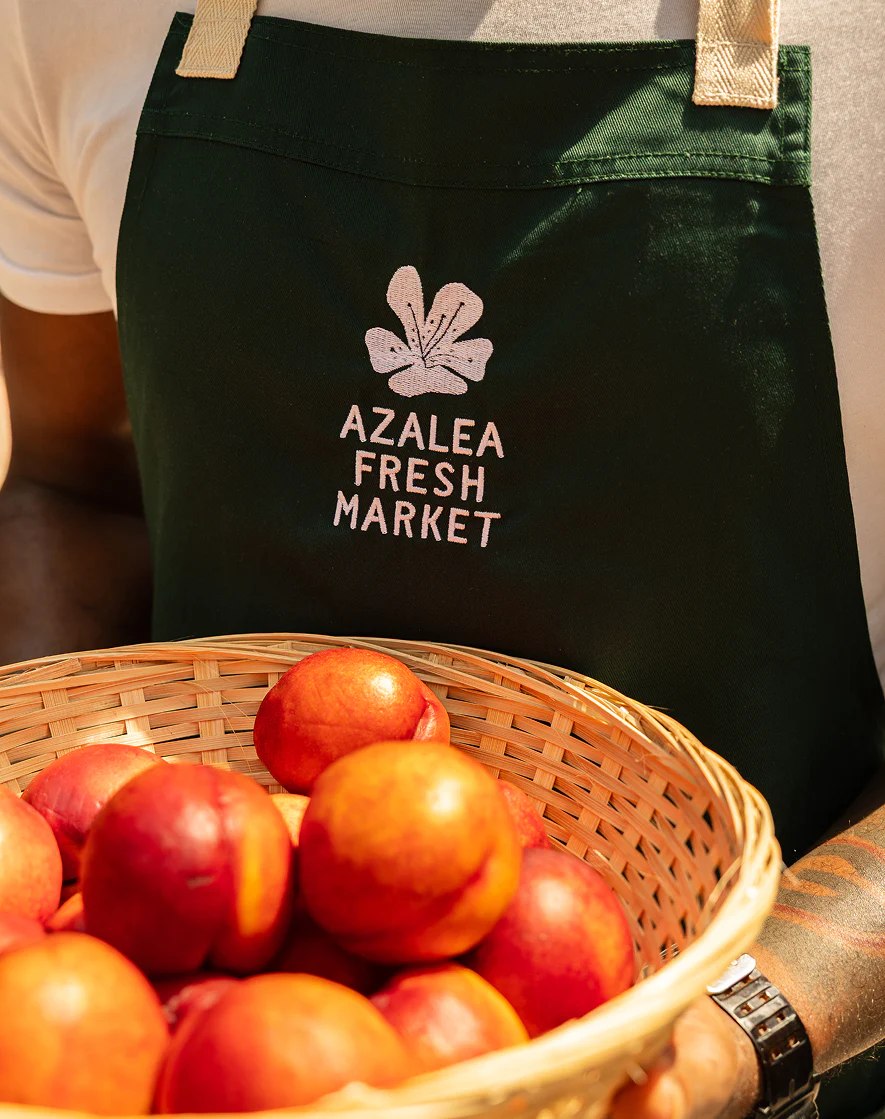
Cheerful illustrations and sustainable materials embody a community-focused identity.
Companion App
In tandem with the physical store, I designed a comprehensive mobile companion app that extends the grocery experience from discovery to checkout. Every feature was grounded in our research — accessibility, personalization, and community connection were non-negotiable.



Interior Design & Floor Plans
The interior design team developed full floor plan blueprints across two levels and a basement, with 3D renderings for each zone.

1 / 18
The Store
Now Open. Actually Built.
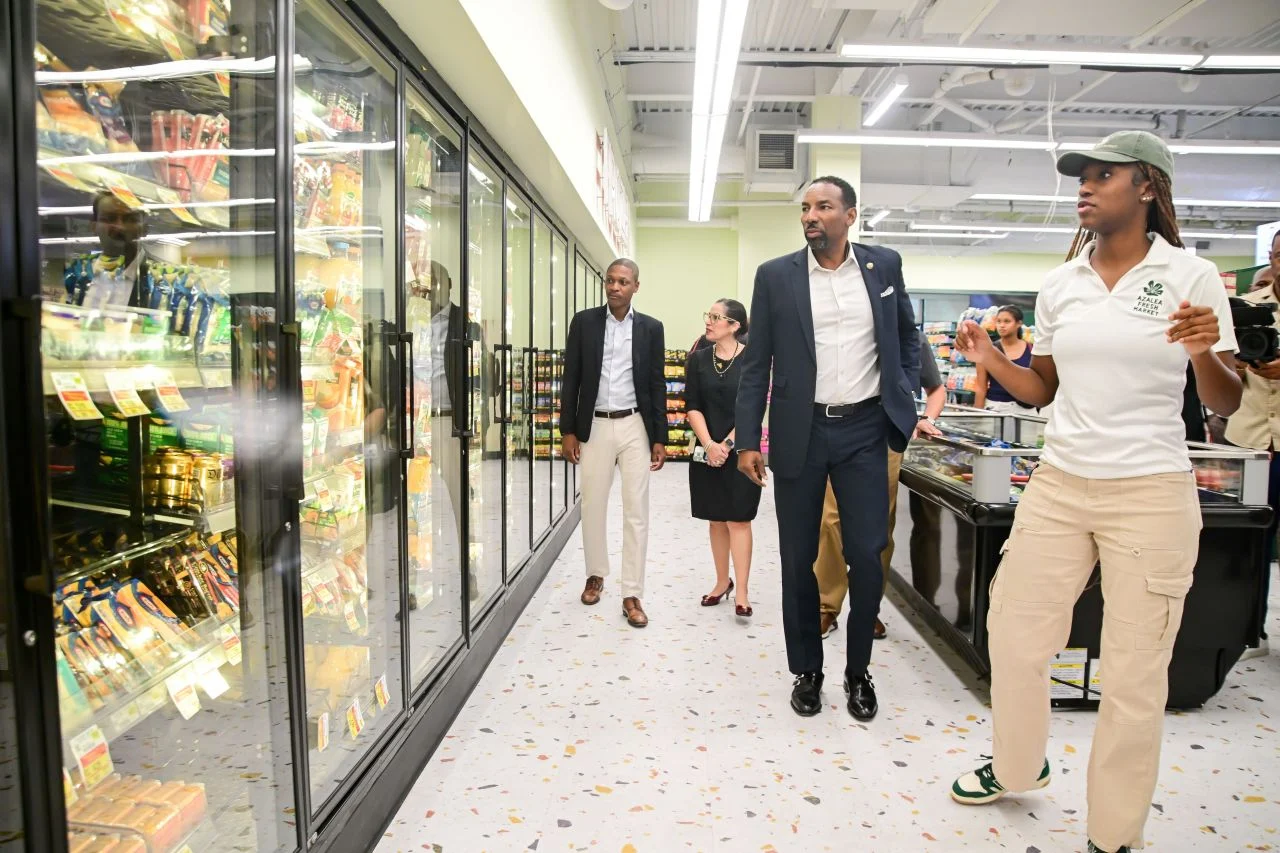
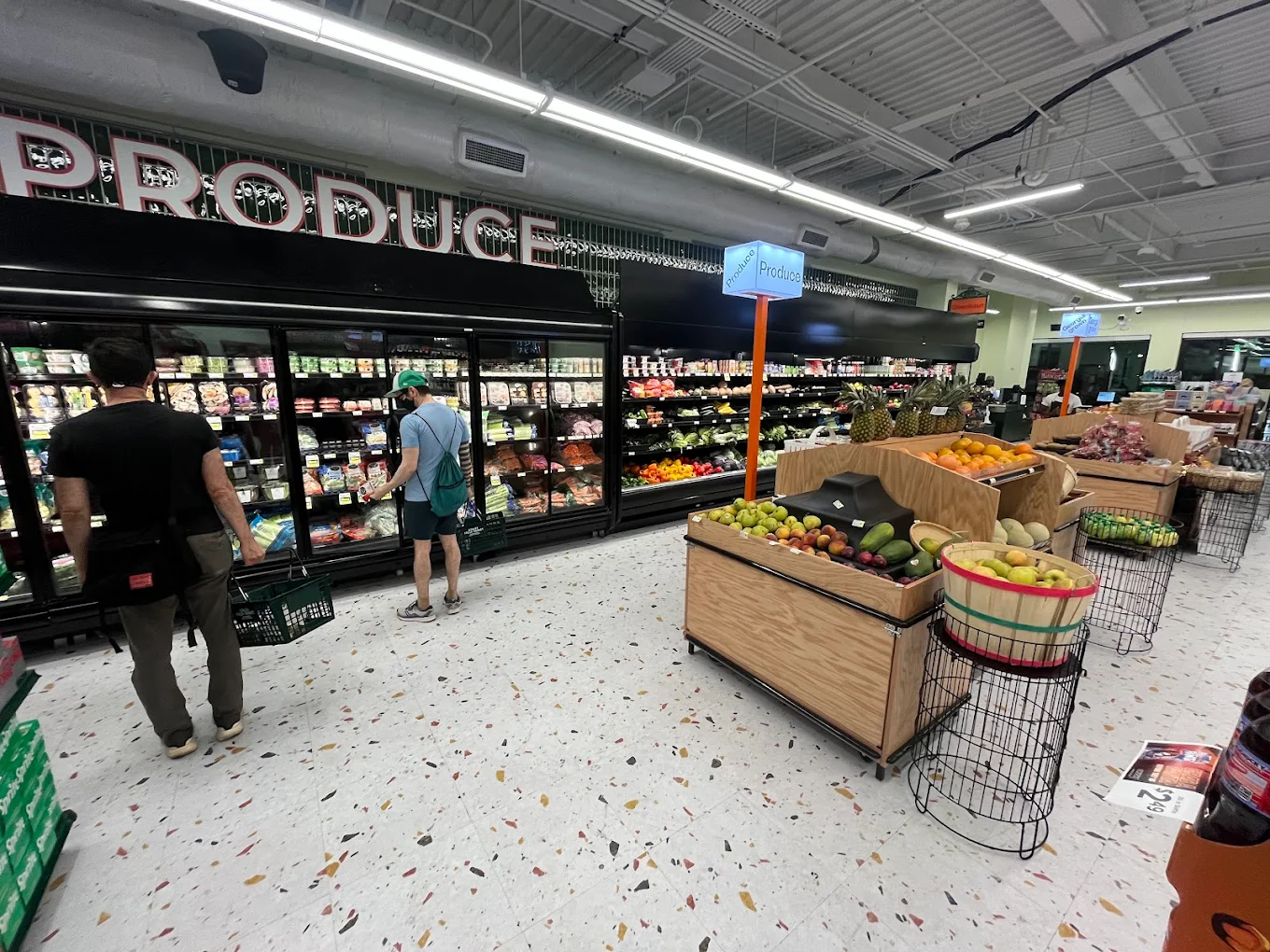
What started as a design brief became a real, functioning grocery store. Azalea's Market opened on Campbellton Road in Atlanta — backed by over $8 million in city funding approved by Atlanta officials. It is the only grocery store in the area, directly addressing the food desert our team set out to solve.
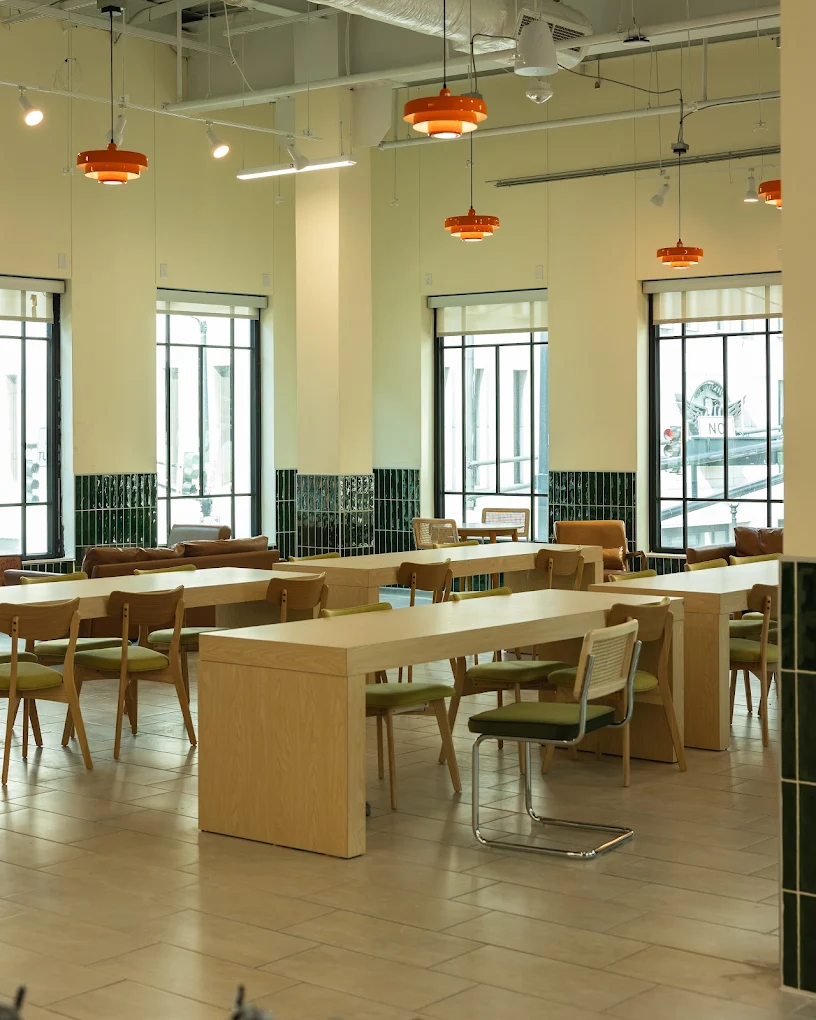
Seeing the physical store realized — the custom shelving, the produce displays, the accessibility-first layout, the brand we designed alongside our client — is the proof of concept this project always aspired to be.
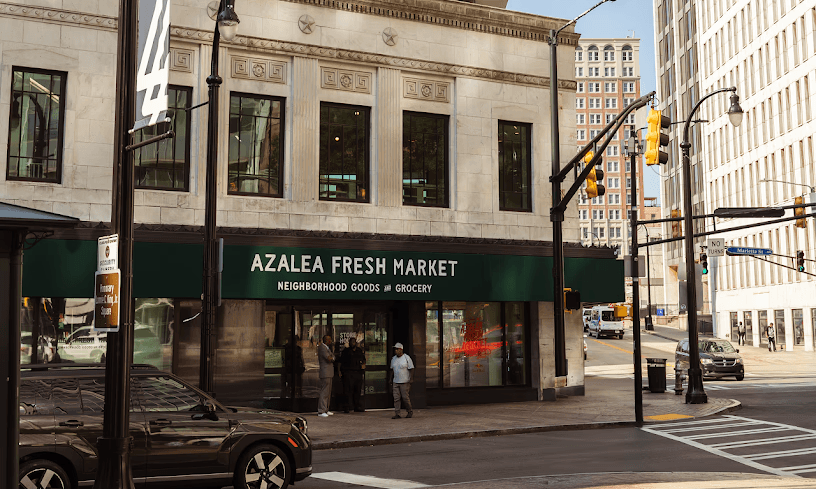

Interior — The Built Space






Building a Safe Community
Azalea's Market is the city's commitment to District 11 — and to every resident who needed it.
Councilmember Marci Overstreet and city stakeholders prioritized safety, lighting, and constant patrols to protect the investment and create a welcoming environment for every shopper.
Outcome & Reflections
Bringing Azalea's to Life
Our project culminated in a presentation to the Mayor and key community stakeholders — sharing our vision of service design, strategic branding, and holistic user experience. The Mayor's Office resonated deeply with Azalea's Market's authenticity, sustainability ethos, and commitment to fostering genuine community connections, choosing it as the flagship concept for revitalizing the community.


Real innovation lives at the intersection of design, operations, and empathy.
The best moments happened when creative ideas, practical solutions, and genuine human connection came together across our four SCAD disciplines.
Physical and digital experiences have to grow together.
When the companion app, kiosk accessibility features, and in-store wayfinding aligned, the experience became fluid, intuitive, and delightful.
Great service design starts by listening.
Genuine listening — from Georgia State students to Downtown Atlanta residents to expert kiosk designers — shaped every decision we made. Knowing your community isn't assumed. It's earned.
Looking For More?
Check out my next featured project...